
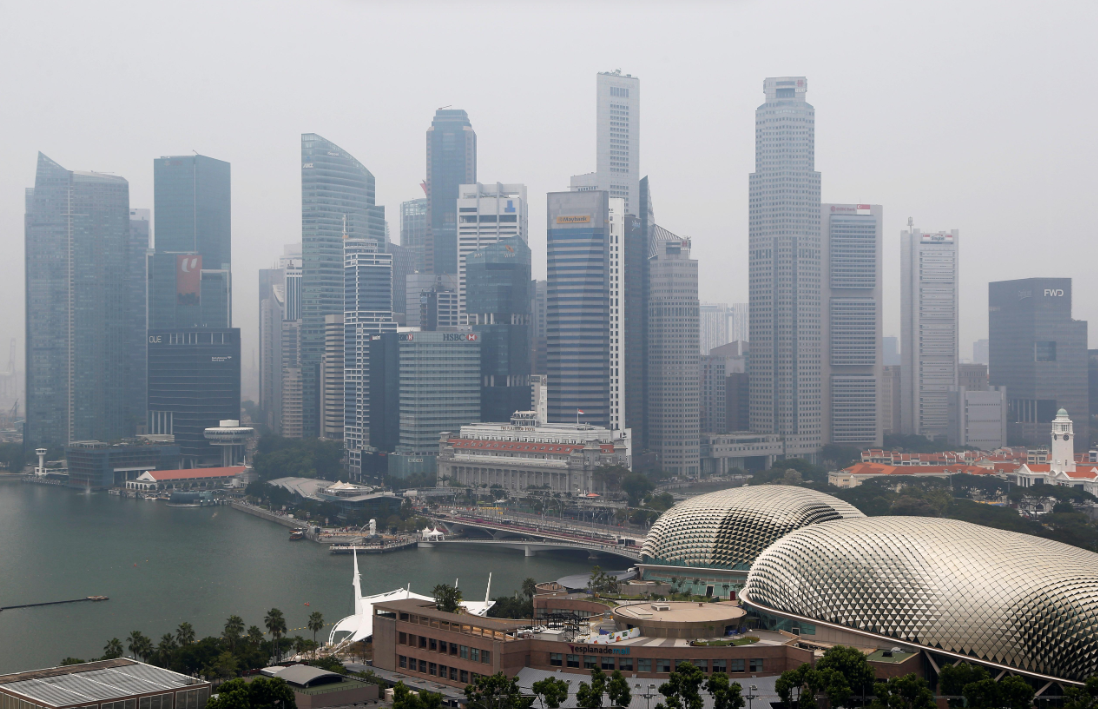
Understanding how air pollution affects our respiratory health, and how TCM can support our well-being during hazy days.
When haze blankets Singapore, we often notice the change in our surroundings — reduced visibility, a smoky smell in the air, and sometimes discomfort in our throat or nose.
But beyond affecting what we see and smell, haze can also affect how we feel.
Our environment plays an important role in our health. In Traditional Chinese Medicine (TCM), the relationship between our body and the surrounding environment has long been recognised.
So, how does TCM understand haze, and what can we do to protect ourselves?
1. How Does Haze Affect Our Health?
Haze is a form of air pollution containing fine particles and other pollutants. One of the main concerns is PM2.5, which refers to fine particulate matter measuring 2.5 micrometres or smaller.
These tiny particles can travel deep into the lungs, potentially aggravating respiratory conditions and contributing to cardiovascular health risks.
Common symptoms associated with haze exposure include:
-
Dry or irritated throat
-
Coughing
-
Nasal irritation or runny nose
-
Eye irritation
-
Wheezing or breathing discomfort, particularly in sensitive individuals
Children, older adults, pregnant women, and people with existing heart or lung conditions may be more vulnerable to the effects of air pollution.
2. What Does TCM Say About Haze?
中医理论 | TCM PRINCIPLE
肺喜润而恶燥
“The lungs favour moistness and are sensitive to dryness.”
In TCM, the lungs (肺) are associated with respiration and the regulation of qi. They are also considered particularly sensitive to external environmental influences.
One important concept is 肺喜润而恶燥, which describes the lungs' preference for a moist, well-nourished environment rather than excessive dryness.
However, haze is not the same as 燥邪 (the dryness pathogen).
Haze is a modern environmental pollution phenomenon, while 燥邪 is a traditional TCM concept used to describe certain patterns of illness.
Nevertheless, symptoms caused by haze exposure, such as a dry throat, dry cough and nasal discomfort, may resemble dryness-related presentations described in TCM.
This provides one traditional perspective for understanding some of the discomfort experienced during hazy weather, without equating air pollution with a specific TCM pathogen.
3. Can TCM Help Soothe Haze-Related Discomfort?
In TCM, one traditional approach to dryness-related symptoms is:
润肺养阴 — Moistening the lungs and nourishing yin.
This approach may be considered when an individual's overall clinical presentation is consistent with dryness or yin-deficiency patterns.
For mild throat discomfort, simple dietary measures may offer some comfort.

Steamed Pears (蒸梨)
Pears are traditionally regarded as moistening foods in TCM. Steamed pears can be a gentle, soothing option for someone experiencing mild throat dryness.

Warm Soups and Congee (汤粥)
Warm soups and rice porridge provide fluids and may be easier to consume when the throat feels irritated.

Luo Han Guo (罗汉果)
Traditionally used in TCM for throat and cough-related complaints, Luo Han Guo may be prepared as a warm beverage. However, evidence that it specifically treats haze-related irritation is limited.
These foods and traditional ingredients may provide comfort, but they do not remove pollutants from the respiratory tract or reverse pollution-related damage.
4. Does Everyone Need Yin-Nourishing Herbs During Haze?
Not necessarily.
One of the fundamental principles of TCM is 辨证论治 — treatment based on pattern differentiation.
Even when two individuals experience a similar cough, their underlying TCM presentations may differ.
For example, one person may experience a dry cough with little phlegm, while another may have a productive cough with significant mucus. Their associated symptoms, medical history and overall constitution may also differ.
Importantly, a dry throat or dry cough does not automatically indicate yin deficiency.
This means that taking large amounts of cooling herbal teas, heat-clearing herbs or yin-nourishing remedies may not be appropriate for everyone.
A qualified TCM physician should assess the individual's symptoms and overall condition before recommending herbal treatment.
5. How Can We Protect Ourselves During Hazy Weather?
Practical measures remain the most important protection against haze-related health risks.
Monitor air quality
Check Singapore's official haze information and air-quality advisories. Adjust outdoor activities according to prevailing conditions.
Reduce outdoor exposure
When air quality is poor, limit prolonged or strenuous outdoor activities, particularly if you belong to a vulnerable group.
Improve indoor air quality
Keep windows closed when outdoor pollution is elevated and consider an appropriately sized air purifier with HEPA filtration.
Use suitable respiratory protection
A properly fitted N95 respirator can help reduce inhalation of fine particles when outdoor exposure cannot be avoided. Ordinary surgical masks offer less reliable protection against PM2.5.
Stay hydrated and get adequate rest
Drink sufficient fluids to maintain normal hydration and support general well-being. Hydration does not eliminate inhaled pollutants.
Seek medical attention if you experience persistent or worsening respiratory symptoms. Severe breathlessness, chest pain or other serious symptoms require urgent medical assessment.
6. Can Herbal Drinks Protect Our Lungs From PM2.5?
It is important to distinguish between soothing symptoms and preventing pollution-related harm.
While some traditional foods and herbal drinks may provide relief from mild throat discomfort, there is currently no reliable clinical evidence that drinking herbal tea can remove PM2.5 from the lungs or prevent the health consequences of haze exposure.
TCM remedies should therefore be viewed as potential supportive measures, not substitutes for air-quality precautions or appropriate medical care.
A Final Thought: Caring for Our Health Starts With Understanding Our Environment
In TCM, health is often viewed through the relationship between the individual and their surroundings.
Hazy weather reminds us that caring for our health is not only about what we eat or which remedies we take. It is also about recognising environmental risks and taking practical steps to minimise them.
Traditional approaches such as 润肺养阴 may have a role in individualised symptom management, but they should be used appropriately and alongside evidence-based protective measures.
The goal is not to find the strongest herbal remedy. It is to understand what our body needs while protecting it from harm.
Need Personalised TCM Advice?
At JIN TCM Clinic, our registered TCM physicians provide individualised consultations based on your symptoms, medical history and body constitution.
If you are experiencing persistent cough, throat irritation or other respiratory concerns, a consultation can help determine whether TCM supportive care is appropriate and whether further medical assessment is needed.
Medical disclaimer: This article is for general health education and does not constitute a diagnosis or personalised treatment recommendation. Consult a qualified healthcare professional for persistent symptoms or before taking herbal medicines, particularly if you are pregnant, have chronic illnesses or take prescription medications.
Educational content only. This article is not a substitute for personal medical advice. If symptoms persist, book a consultation with one of our MOH-registered physicians.
